What Is a Stroopwafel? The Dutch Caramel Waffle, Explained
Two thin waffles, a layer of warm caramel, and a tradition that goes back to 18th-century Gouda. Everything a first-timer needs to know.
By Daniel MellicovskyBaker and owner, Melly's Stroopwafels
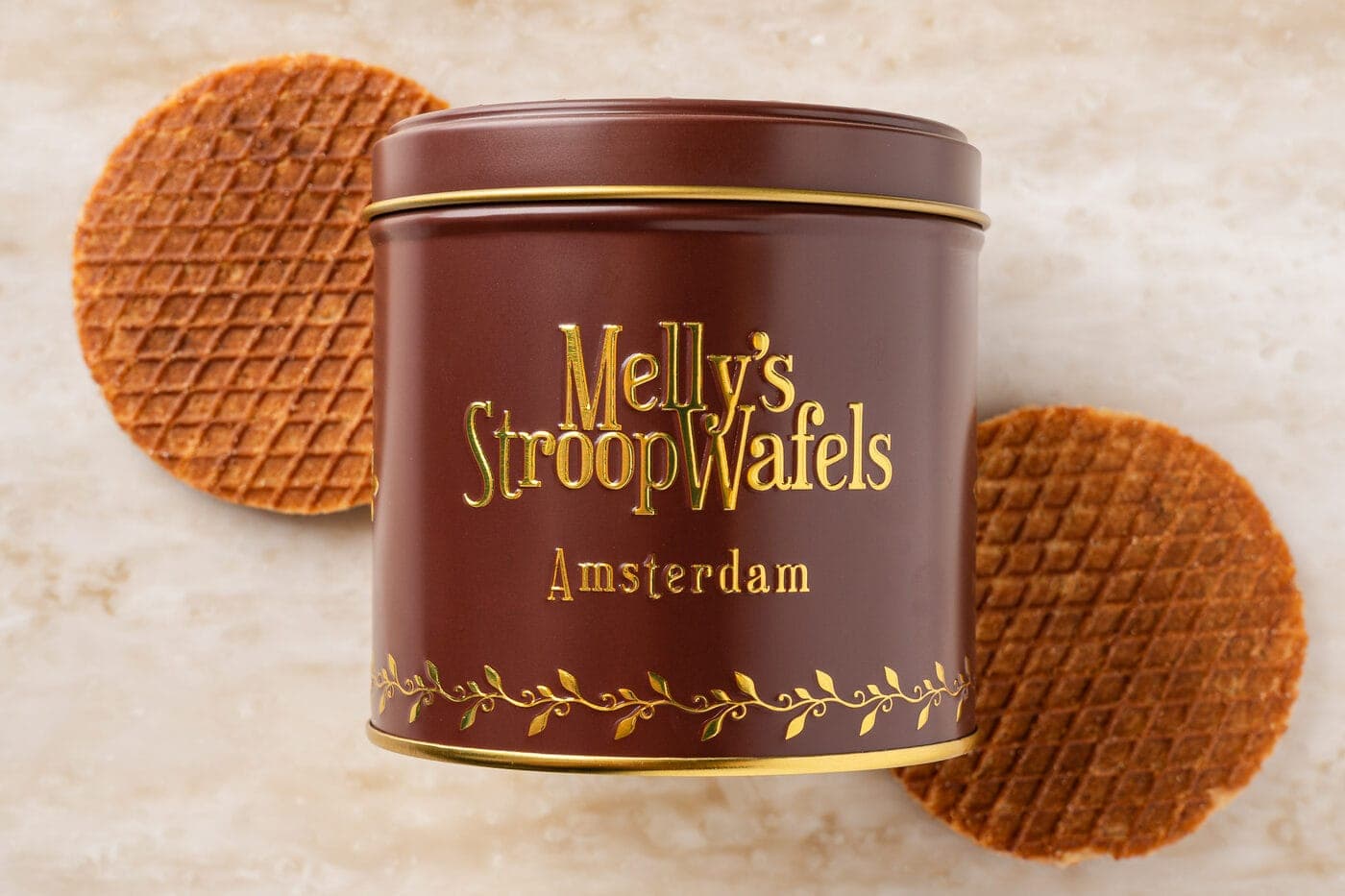
If this is your first time in the Netherlands, the word on every market stall and bakery window deserves an explanation. A stroopwafel (literally syrup waffle) is two wafer-thin layers of baked dough pressed warm around a soft caramel filling. It is chewy, buttery and faintly spiced with cinnamon, and when it is fresh off the iron it is one of the great simple pleasures of Dutch food.
A waffle with caramel inside
The dough is closer to a thin cookie than a breakfast waffle. It is pressed in a hot waffle iron until golden, then sliced through the middle while still warm and filled with stroop, a thick caramel syrup made from sugar, butter and cinnamon. The two halves are sandwiched back together so the filling melts slightly into the waffle. The result is crisp at the edges and soft in the centre.
Where the stroopwafel comes from
The stroopwafel was born in the city of Gouda in the late 18th century. The story goes that a baker put together leftover crumbs and sweetened them with syrup, creating a cheap treat for working families. By the 1800s dozens of bakeries in Gouda were making them, and the recipe spread across the country. Today it is one of the most recognisable Dutch foods in the world, but the version sold sealed in supermarket packs is a long way from the warm original.
How a stroopwafel is made
A traditional stroopwafel is built in three steps:
- The dough is mixed from flour, butter, brown sugar, yeast, egg, milk and a little cinnamon, then rested and rolled into small balls.
- The press flattens each ball in a hot iron for under a minute, baking the grid pattern that holds the syrup.
- The filling goes in while the waffle is hot. The baker cuts it open, spreads the caramel and closes it again so it sets into one piece.
It looks simple, and that is the point. The difference between a forgettable stroopwafel and a memorable one is freshness and the quality of the caramel. If you want to see the whole process up close, our stroopwafel workshop in Amsterdam lets you make and fill your own.
The right way to eat one
There is a small ritual to it. Rest the stroopwafel on top of a hot cup of coffee or tea for a minute or two. The steam warms the caramel until it goes soft and gooey, and the whole waffle relaxes. Then eat it slowly while it is still warm. Eaten this way it is a different food from the dry packaged kind, and once you have tried it you understand why the Dutch are so attached to it.
Fresh beats sealed, every time
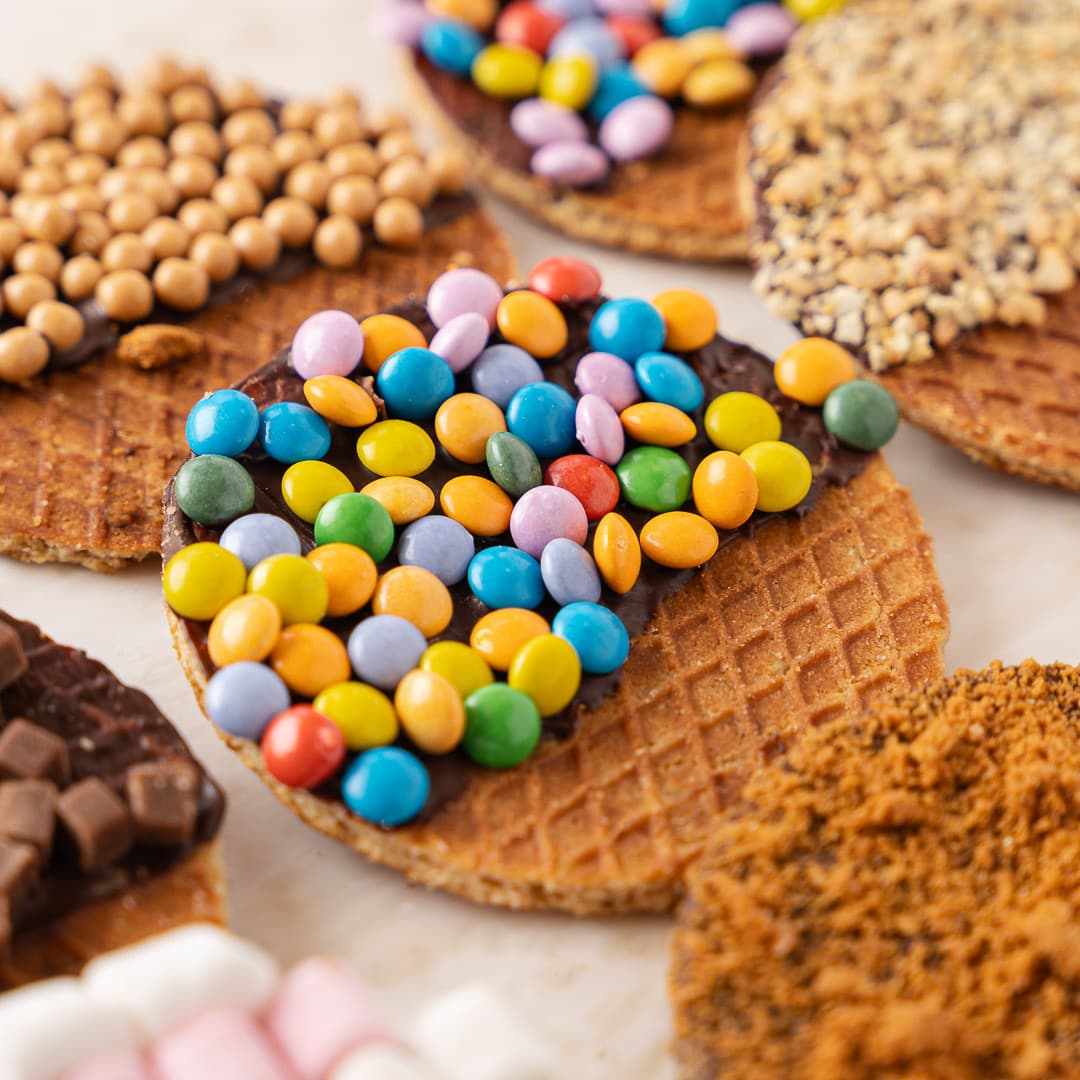
Most stroopwafels tourists try come from a supermarket multipack, baked weeks earlier and sealed in plastic. They are fine, but they are not the experience. A stroopwafel pressed warm and filled to order, or dipped in chocolate and finished with a topping, is what people remember about the treat. See the full range of flavours and toppings we make, or come and try one warm at our shop in the centre of Amsterdam.
Taste it warm in Amsterdam
Order fresh stroopwafels to your door, or learn to make your own at a Melly's workshop in the heart of the city.